If you’ve ever wondered what it takes to thrive in system engineer jobs, you’re in the right place. This guide breaks down everything—from skills to salaries—so you can launch or level up your tech career with confidence.
What Are System Engineer Jobs? A Clear Definition

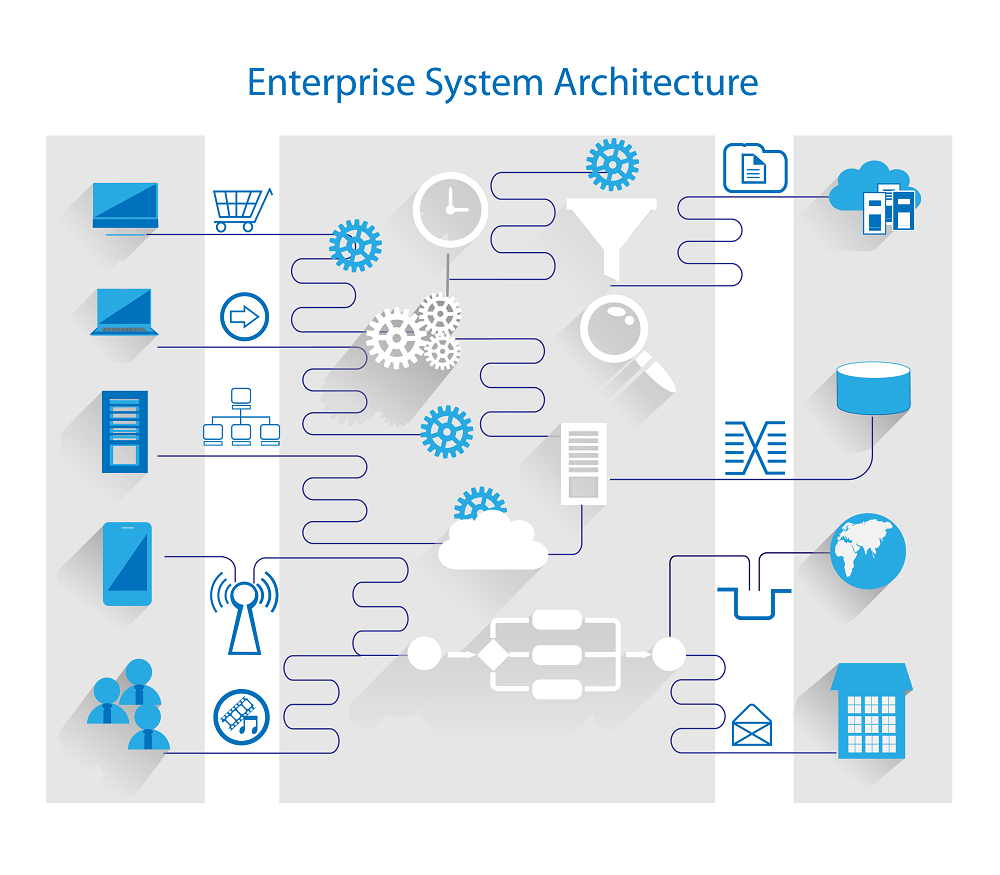
System engineer jobs involve designing, implementing, and maintaining complex systems that integrate hardware, software, and networks to meet organizational needs. These professionals ensure that technology components work together seamlessly, supporting business operations across industries like IT, aerospace, healthcare, and telecommunications.



The Core Role of a System Engineer
At its heart, a system engineer acts as a bridge between different technical domains. They don’t just focus on one component—like servers or software—but look at the entire ecosystem. Their job is to ensure that all parts of a system function cohesively, reliably, and securely.
- Designing scalable infrastructure solutions
- Integrating new technologies into existing systems
- Monitoring system performance and troubleshooting issues
“Systems engineering is about seeing the big picture—how each piece fits and functions as part of a whole.” — NASA Systems Engineering Handbook
How System Engineer Jobs Differ from Other IT Roles
While roles like network administrators or software developers focus on specific areas, system engineers have a broader scope. For example:
- Software Developers write code for applications; system engineers ensure those apps run smoothly on the underlying infrastructure.
- Network Engineers manage connectivity; system engineers optimize how data flows across networks, servers, and storage.
- DevOps Engineers automate deployment; system engineers often collaborate with them to align infrastructure with development pipelines.
This holistic approach makes system engineer jobs critical in large-scale deployments, such as cloud migrations or enterprise security overhauls.
Top Industries Hiring for System Engineer Jobs
System engineer jobs are not limited to tech companies. In fact, nearly every industry that relies on digital infrastructure needs skilled system engineers. Let’s explore the top sectors driving demand.
Information Technology and Cloud Services
IT firms and cloud providers like Amazon Web Services (AWS), Microsoft Azure, and Google Cloud Platform are among the biggest employers of system engineers. These companies need experts to design resilient architectures, manage virtualized environments, and ensure high availability.
- Designing multi-region cloud deployments
- Implementing disaster recovery plans
- Automating infrastructure using tools like Terraform or Ansible
According to the U.S. Bureau of Labor Statistics, employment in computer and IT occupations is projected to grow 13% from 2020 to 2030, faster than the average for all occupations.
Telecommunications and Networking
In telecom, system engineers work on network infrastructure, data transmission protocols, and service delivery platforms. With the rollout of 5G and edge computing, demand for system engineers who understand both hardware and software integration is surging.
- Optimizing network latency and bandwidth usage
- Deploying SD-WAN (Software-Defined Wide Area Network) solutions
- Ensuring interoperability between legacy and next-gen systems
Companies like Cisco, Ericsson, and Nokia actively recruit system engineers to support global network expansions.
Healthcare and Medical Technology
Hospitals and medical device manufacturers rely on system engineers to maintain secure, compliant IT systems. From electronic health records (EHR) to imaging systems, these engineers ensure uptime, data integrity, and HIPAA compliance.
- Securing patient data across distributed systems
- Integrating IoT medical devices with hospital networks
- Supporting telemedicine platforms with robust backend infrastructure
The intersection of healthcare and technology has created a niche but growing demand for system engineer jobs with domain-specific knowledge.
Essential Skills for System Engineer Jobs
To succeed in system engineer jobs, you need a blend of technical expertise, problem-solving ability, and communication skills. Let’s break down the most in-demand competencies.
Technical Proficiency in Operating Systems and Networking
System engineers must be fluent in multiple operating systems, including Linux, Windows Server, and Unix variants. They should also understand networking fundamentals such as TCP/IP, DNS, DHCP, firewalls, and VLANs.
- Configuring and managing Linux servers via command line
- Troubleshooting network connectivity issues using tools like ping, traceroute, and Wireshark
- Securing systems with SSH, SSL/TLS, and access control lists (ACLs)
Many employers expect candidates to have certifications like CompTIA Network+ or Cisco CCNA as proof of networking competence.
Cloud and Virtualization Expertise
With the shift to cloud computing, system engineer jobs increasingly require experience with virtualization platforms and cloud services. Knowledge of VMware, Hyper-V, AWS EC2, or Azure Virtual Machines is highly valuable.
- Provisioning and scaling virtual machines based on workload demands
- Managing containerized applications using Docker and Kubernetes
- Designing cost-effective cloud storage solutions (e.g., S3, Blob Storage)
According to IBM’s guide on cloud computing, over 90% of enterprises now use cloud technology, making this skill essential for modern system engineers.
Automation and Scripting Abilities
Efficiency is key in system engineer jobs, and automation is the primary tool for achieving it. Engineers use scripting languages like Python, Bash, or PowerShell to automate repetitive tasks such as backups, updates, and configuration management.
- Writing Python scripts to monitor server health and send alerts
- Using PowerShell to automate Active Directory user provisioning
- Creating Ansible playbooks for consistent server configuration
Automation not only reduces human error but also frees up time for strategic initiatives, making it a cornerstone of advanced system engineering roles.
Popular Certifications for System Engineer Jobs
Certifications validate your knowledge and can significantly boost your employability in system engineer jobs. Here are some of the most respected credentials in the field.
CompTIA A+ and Network+
These entry-level certifications provide a solid foundation in IT fundamentals. While not specific to system engineering, they’re often required for junior roles and demonstrate a baseline understanding of hardware, software, and networking.
- Covers PC assembly, operating system installation, and basic networking
- Helpful for candidates transitioning from help desk or technical support roles
- Prerequisite for more advanced certifications like CompTIA Security+
Many employers view these as stepping stones toward specialized system engineering paths.
Microsoft Certified: Azure Administrator Associate
As Microsoft Azure continues to grow in popularity, this certification has become a gold standard for system engineers working in hybrid or cloud environments.
- Validates skills in managing Azure identities, storage, and virtual networks
- Covers monitoring, backup, and disaster recovery in Azure
- Aligns with real-world scenarios faced in enterprise cloud operations
Earning this certification can lead to roles such as Cloud System Engineer or Azure Infrastructure Specialist. More details are available at Microsoft’s official certification page.
Cisco Certified Network Professional (CCNP)
For system engineers focused on networking infrastructure, the CCNP is a powerful credential. It goes beyond basic networking to cover advanced routing, switching, and security.
- Includes enterprise network design and implementation
- Teaches automation and programmability in network environments
- Highly regarded in telecom, finance, and government sectors
While challenging, the CCNP signals deep technical expertise and can open doors to senior-level system engineer jobs.
Salary Expectations for System Engineer Jobs
One of the most frequently asked questions about system engineer jobs is: “How much can I earn?” Salaries vary based on location, experience, industry, and certifications, but overall, the compensation is competitive.
Entry-Level vs. Senior-Level Pay
Starting salaries for system engineer jobs typically range from $60,000 to $80,000 per year in the United States. With 3–5 years of experience, professionals can expect to earn between $85,000 and $110,000. Senior system engineers or those in leadership roles often make $120,000 or more annually.
- Junior System Engineer: $60,000–$75,000
- Mid-Level System Engineer: $80,000–$100,000
- Senior System Engineer: $105,000–$130,000+
Salaries in tech hubs like San Francisco, Seattle, or New York tend to be higher due to cost of living and demand.
Industry-Based Salary Differences
Not all industries pay the same for system engineer jobs. For example:
- Finance and Banking: Often offer higher salaries due to strict uptime and security requirements.
- Government and Defense: Provide stable employment and benefits, though base pay may be slightly lower than private sector.
- Healthcare: Competitive salaries with added incentives for compliance and data protection expertise.
- Tech Startups: May offer lower base pay but compensate with equity or bonuses.
According to Glassdoor’s salary data, the national average salary for a system engineer in the U.S. is approximately $94,000 per year.
Impact of Certifications on Earnings
Earning certifications can significantly increase your earning potential. Studies show that certified IT professionals make 10–20% more than their non-certified peers.
- Azure-certified engineers report an average salary boost of 15%
- CCNP holders often earn $10,000–$20,000 more than those with only CCNA
- CompTIA-certified professionals see faster career progression and higher starting offers
Investing in certifications isn’t just about passing exams—it’s a long-term strategy for financial growth in system engineer jobs.
How to Land a System Engineer Job: Proven Strategies
Breaking into system engineer jobs requires more than just technical knowledge. You need a strategic approach to stand out in a competitive job market.
Build a Strong Technical Resume
Your resume should highlight relevant skills, projects, and certifications. Use action verbs and quantify achievements where possible.
- Instead of “Managed servers,” say “Reduced server downtime by 40% through proactive monitoring and patch management.”
- List specific tools and technologies: VMware, Ansible, AWS, PowerShell, etc.
- Include a certifications section near the top if you have in-demand credentials.
Many hiring managers use applicant tracking systems (ATS), so tailor your resume with keywords from the job description to pass automated filters.
Gain Hands-On Experience
Practical experience is crucial. If you’re new to the field, consider:
- Setting up a home lab with virtual machines using VirtualBox or VMware Workstation
- Contributing to open-source projects on GitHub
- Taking on freelance or volunteer IT work for small businesses or nonprofits
Real-world experience demonstrates initiative and problem-solving ability—qualities employers value in system engineer jobs.
Master the Interview Process
System engineer interviews often include technical assessments, scenario-based questions, and behavioral rounds.
- Be ready to explain how you’d troubleshoot a server outage or design a secure network.
- Practice whiteboard exercises involving system architecture diagrams.
- Use the STAR method (Situation, Task, Action, Result) for behavioral questions.
Companies like Google, Amazon, and IBM often assess both technical depth and cultural fit, so prepare accordingly.
Future Trends Shaping System Engineer Jobs
The role of a system engineer is evolving rapidly due to technological advancements. Staying ahead of trends is essential for long-term success in system engineer jobs.
Rise of Automation and AI Integration
Artificial intelligence and machine learning are being integrated into system monitoring and management tools. AI-driven platforms can predict failures, optimize resource allocation, and automate responses to common incidents.
- Tools like AIOps (Artificial Intelligence for IT Operations) are gaining traction
- System engineers will need to understand how to train, monitor, and interpret AI models
- Automation will shift the role from manual maintenance to strategic oversight
Professionals who embrace AI tools will be better positioned for leadership roles in the future.
Expansion of Edge Computing
As IoT devices proliferate, data processing is moving closer to the source—known as edge computing. This trend requires system engineers to design decentralized architectures that balance performance, latency, and security.
- Deploying micro data centers in remote locations
- Managing edge nodes with limited connectivity
- Ensuring data synchronization between edge and central cloud systems
Industries like manufacturing, transportation, and smart cities are driving demand for engineers skilled in edge infrastructure.
Increased Focus on Cybersecurity
With cyber threats on the rise, system engineers are expected to build security into every layer of the system. Zero Trust Architecture, encryption, and continuous monitoring are becoming standard practices.
- Implementing end-to-end encryption for data in transit and at rest
- Designing systems with least-privilege access controls
- Integrating security tools like SIEM (Security Information and Event Management)
System engineer jobs are increasingly overlapping with cybersecurity roles, making knowledge of frameworks like NIST or ISO 27001 a valuable asset.
Common Challenges in System Engineer Jobs
While system engineer jobs offer rewarding careers, they come with unique challenges that professionals must navigate.
Managing Complex, Interconnected Systems
Modern IT environments are highly complex, with hybrid cloud setups, legacy systems, and third-party integrations. Keeping everything running smoothly requires constant vigilance and coordination.
- Dealing with vendor lock-in and compatibility issues
- Tracking dependencies across microservices and APIs
- Responding to cascading failures that affect multiple systems
Effective documentation and change management processes are essential to mitigate these risks.
Keeping Up with Rapid Technological Change
The tech landscape evolves quickly. New tools, platforms, and best practices emerge regularly, requiring continuous learning.
- Staying current with cloud provider updates (e.g., AWS new features)
- Learning emerging technologies like serverless computing or Kubernetes
- Balancing daily responsibilities with professional development
Many successful system engineers dedicate time each week to training, webinars, or certification prep.
Handling High-Pressure Situations
System engineers are often called upon during outages or security breaches. These high-stress scenarios demand calm decision-making under pressure.
- Leading incident response teams during critical downtime
- Communicating technical issues to non-technical stakeholders
- Documenting post-mortems to prevent future incidents
Soft skills like communication, leadership, and emotional resilience are just as important as technical abilities in these moments.
FAQs About System Engineer Jobs
What education is required for system engineer jobs?
Most system engineer jobs require at least a bachelor’s degree in computer science, information technology, or a related field. However, some employers accept equivalent experience or certifications in place of formal education, especially for entry-level roles.
Are system engineer jobs in high demand?
Yes, system engineer jobs are in high demand across industries. The growing reliance on digital infrastructure, cloud computing, and cybersecurity ensures strong job growth. The U.S. Bureau of Labor Statistics projects continued expansion in IT roles through 2030.
Can I become a system engineer without a degree?
Yes, it’s possible to enter system engineer jobs without a traditional degree. Many professionals start in IT support roles, earn certifications (like CompTIA or Microsoft), and build hands-on experience through labs or freelance work. Demonstrating practical skills can outweigh formal education in some cases.
What’s the difference between a system engineer and a systems administrator?
While the terms are sometimes used interchangeably, system engineers typically focus on designing and optimizing systems, whereas systems administrators focus on day-to-day operations and maintenance. Engineers take a more strategic, forward-looking approach, while administrators ensure daily stability.
Do system engineer jobs require coding skills?
While not always required, coding and scripting skills are increasingly important in system engineer jobs. Knowledge of Python, Bash, or PowerShell helps automate tasks, analyze logs, and integrate systems. Even basic scripting can significantly improve efficiency and career prospects.
System engineer jobs are a dynamic and rewarding career path at the intersection of technology and business. From designing resilient cloud architectures to securing critical infrastructure, these professionals play a vital role in keeping modern organizations running. With the right mix of skills, certifications, and experience, you can build a successful and future-proof career in this field. Whether you’re just starting out or looking to advance, the opportunities in system engineer jobs are vast and growing.
Further Reading: