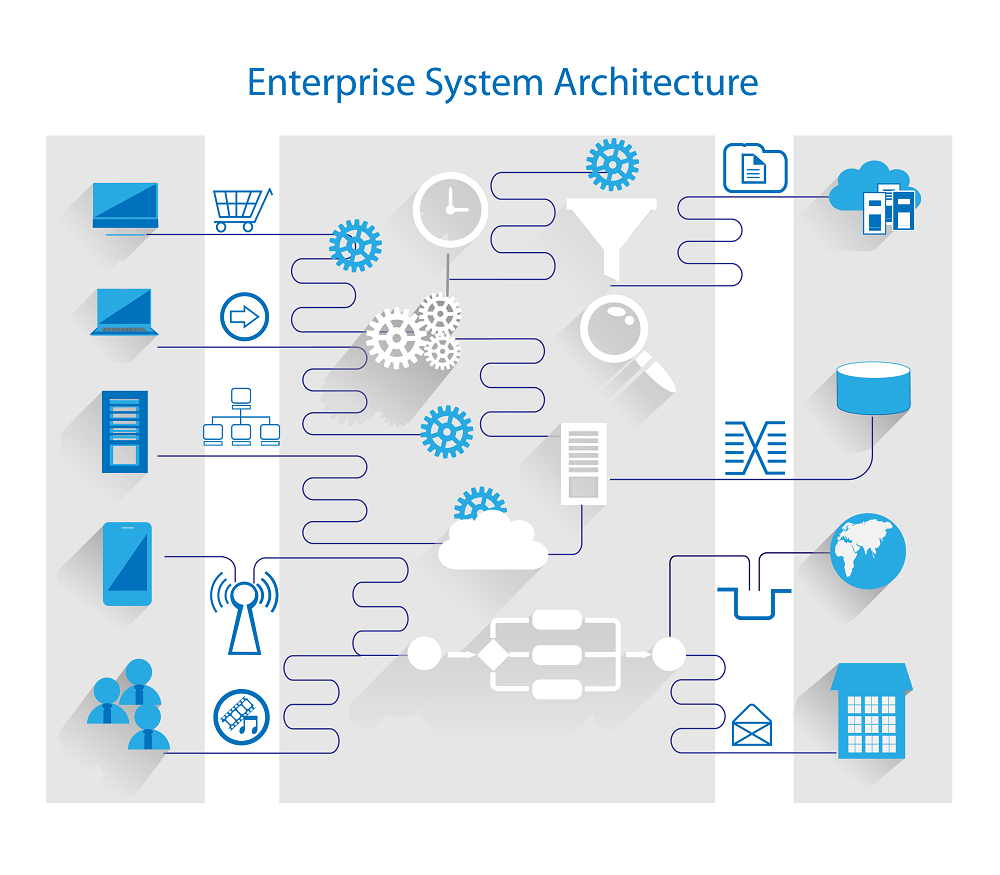
In today’s fast-paced digital world, system integration is no longer optional—it’s essential. Businesses across industries are leveraging integration to streamline operations, reduce costs, and boost efficiency. Let’s dive into how it works and why it matters.
What Is System Integration and Why It Matters

System integration refers to the process of connecting different IT systems, software applications, and technologies so they function as a unified whole. This enables seamless data flow, reduces redundancy, and enhances decision-making across departments. As organizations grow and adopt new technologies, the complexity of their IT environments increases—making system integration a critical component of digital transformation.

Defining System Integration
At its core, system integration involves combining subsystems into a single, cohesive system that delivers overarching functionality. These subsystems can include enterprise resource planning (ERP), customer relationship management (CRM), supply chain management (SCM), and human resources (HR) platforms. When properly integrated, these systems share data in real time, eliminating data silos and improving operational visibility.
- It connects legacy systems with modern cloud applications.
- It ensures consistent data across platforms.
- It supports automation and reduces manual data entry.
“System integration is the backbone of digital transformation. Without it, data remains trapped in silos, innovation stalls, and customer experience suffers.” — Gartner Research
Types of System Integration
There are several approaches to system integration, each suited to different business needs and technical environments. The most common types include point-to-point, vertical, horizontal (enterprise service bus), and modern API-based integration.
Point-to-Point Integration: Direct connections between two systems.While simple, this method becomes unmanageable as the number of systems grows.Vertical Integration (Silos): Systems are grouped by function (e.g., finance, HR).This limits cross-functional data sharing.Horizontal Integration (ESB): Uses an enterprise service bus to act as a central communication layer between all systems, improving scalability.
.Star Integration: A variation of point-to-point where each system connects to every other system—highly complex and costly to maintain.Common Data Format Integration: All systems translate data into a standard format, simplifying interoperability.The Evolution of System Integration Over Time
System integration has evolved significantly over the past few decades, driven by advances in computing, networking, and software architecture.From early mainframe systems to today’s cloud-native ecosystems, the journey reflects changing business demands and technological capabilities..
From Mainframes to Client-Server Models
In the 1970s and 1980s, businesses relied on monolithic mainframe systems. These were powerful but inflexible, with all processing and data storage centralized. As personal computers became widespread in the 1990s, the client-server model emerged, distributing processing between servers and desktop clients. This shift laid the groundwork for distributed system integration.
The move to client-server architectures introduced new challenges: data consistency, network reliability, and security. However, it also enabled departments to run specialized applications while still connecting to central databases—early forms of system integration.
The Rise of ERP and Middleware
The late 1990s saw the rise of enterprise resource planning (ERP) systems like SAP and Oracle. These platforms aimed to unify core business functions into a single system. However, many organizations still used legacy systems that couldn’t communicate with ERPs, creating data gaps.
This led to the development of middleware—software that acts as a bridge between disparate systems. Middleware solutions such as IBM MQ, TIBCO, and webMethods enabled message queuing, data transformation, and protocol translation, making system integration more feasible across heterogeneous environments.
Cloud and API-Driven Integration
In the 2010s, cloud computing revolutionized system integration. With Software-as-a-Service (SaaS) platforms like Salesforce, Workday, and Microsoft 365 becoming mainstream, businesses needed ways to connect cloud apps with on-premise systems.
Application Programming Interfaces (APIs) became the cornerstone of modern integration. RESTful APIs, in particular, offered lightweight, scalable, and secure methods for systems to communicate over the internet. Platforms like MuleSoft, Dell Boomi, and Microsoft Azure Integration Services emerged to help organizations manage API-led connectivity.
Today, API-led integration is considered best practice, promoting reusability, agility, and faster time-to-market for new digital services.
Key Benefits of Effective System Integration
When implemented correctly, system integration delivers transformative benefits across an organization. It’s not just about connecting systems—it’s about unlocking value from data, improving user experience, and enabling strategic growth.
Improved Data Accuracy and Consistency
One of the biggest challenges in modern enterprises is data inconsistency. When sales, inventory, and finance systems operate in isolation, discrepancies arise—leading to incorrect reporting and poor decision-making.
System integration ensures that data entered in one system (e.g., a new customer order in CRM) is automatically reflected in others (e.g., inventory and accounting). This real-time synchronization reduces errors and enhances trust in data.
- Eliminates duplicate data entry.
- Reduces human error in manual transfers.
- Ensures compliance with data governance standards.
Enhanced Operational Efficiency
Integrated systems automate workflows that would otherwise require manual intervention. For example, when a customer places an order online, system integration can automatically trigger inventory deduction, shipping notification, invoice generation, and payment processing.
This level of automation reduces processing time, lowers operational costs, and frees up employees to focus on higher-value tasks. According to a McKinsey study, companies that invest in integration and automation see up to 30% improvement in operational efficiency.
Better Customer Experience
Customers expect seamless interactions across channels—whether they’re shopping online, calling support, or visiting a store. System integration enables a 360-degree view of the customer by combining data from CRM, e-commerce, social media, and service platforms.
With integrated systems, support agents can access complete customer histories instantly, marketing teams can personalize campaigns based on real-time behavior, and sales reps can track leads across multiple touchpoints. This leads to faster response times, higher satisfaction, and increased loyalty.
“Companies with fully integrated customer systems report 25% higher customer retention rates.” — Salesforce State of Service Report
Common Challenges in System Integration Projects
Despite its benefits, system integration is not without challenges. Many projects fail due to poor planning, technical complexity, or organizational resistance. Understanding these obstacles is crucial for successful implementation.
Data Silos and Legacy Systems
One of the biggest hurdles is the presence of data silos—information trapped in isolated systems that don’t communicate with each other. This is especially common in large organizations with long histories of IT investments.
Legacy systems, often built on outdated technologies (e.g., COBOL, mainframes), lack modern APIs and are difficult to integrate with cloud applications. Migrating or replacing them can be costly and risky, but leaving them unconnected undermines integration efforts.
Solutions include using middleware, building custom adapters, or gradually modernizing legacy systems through microservices architecture.
Security and Compliance Risks
Integrating systems increases the attack surface for cyber threats. Every connection between systems is a potential entry point for hackers. Additionally, data flowing across systems must comply with regulations like GDPR, HIPAA, and CCPA.
Organizations must implement strong authentication, encryption, and access controls. Audit trails and data masking techniques help ensure compliance while maintaining usability.
- Use OAuth 2.0 and OpenID Connect for secure API access.
- Encrypt data in transit and at rest.
- Conduct regular security assessments and penetration testing.
Lack of Skilled Personnel
System integration requires expertise in APIs, data modeling, middleware, and enterprise architecture. However, there’s a global shortage of integration specialists, especially those familiar with both legacy and modern cloud platforms.
Organizations often struggle to find or retain talent with the right mix of technical and business skills. Investing in training, partnering with integration consultants, or using low-code integration platforms can help bridge the gap.
Best Practices for Successful System Integration
To maximize the chances of success, organizations should follow proven best practices when planning and executing system integration initiatives. These strategies help avoid common pitfalls and ensure long-term sustainability.
Start with a Clear Strategy and Roadmap
Before writing a single line of code, define your integration goals. Are you aiming to improve customer experience? Reduce IT costs? Enable digital transformation? Your objectives should guide the scope and approach.
Create a detailed roadmap that includes:
- Inventory of existing systems and data sources.
- Identification of integration points and dependencies.
- Phased implementation plan with measurable milestones.
- Risk assessment and mitigation strategies.
A well-defined strategy ensures alignment across IT, business units, and leadership.
Adopt an API-First Approach
An API-first strategy means designing integration capabilities as reusable services from the start. Instead of building point-to-point connections, you create standardized APIs that expose data and functionality in a secure, controlled way.
This approach offers several advantages:
- Promotes reusability across projects.
- Enables faster onboarding of new applications.
- Supports scalability and future innovation.
For example, a product catalog API can be used by e-commerce, mobile apps, and partner portals—eliminating redundant integrations.
Use Integration Platforms (iPaaS)
Integration Platform as a Service (iPaaS) solutions like Dell Boomi, MuleSoft, and Zapier provide pre-built connectors, workflow automation, and monitoring tools. These platforms reduce development time and lower the technical barrier to integration.
iPaaS is ideal for hybrid environments (cloud + on-premise) and supports both real-time and batch integration. They also offer visual development interfaces, making it easier for non-developers to participate in integration projects.
Real-World Examples of System Integration Success
Theoretical knowledge is valuable, but real-world examples illustrate the tangible impact of system integration. Let’s explore how leading companies have leveraged integration to drive innovation and growth.
Retail: Omnichannel Integration at Nike
Nike transformed its customer experience through system integration. By connecting its e-commerce platform, mobile app, in-store POS systems, and supply chain, Nike created a seamless omnichannel experience.
Customers can now buy online and return in-store, check real-time inventory, and receive personalized recommendations based on their activity across channels. This integration contributed to a 30% increase in digital sales within two years.
Healthcare: Interoperability in Electronic Health Records
In healthcare, system integration is critical for patient safety and care coordination. The Mayo Clinic implemented an integrated electronic health record (EHR) system that connects clinics, labs, pharmacies, and billing systems.
Doctors can access complete patient histories instantly, reducing duplicate tests and medication errors. The system also integrates with wearable devices, enabling remote monitoring and proactive care.
Manufacturing: Smart Factory Integration
Siemens’ Amberg Electronics Plant in Germany is a model of Industry 4.0. Through advanced system integration, the factory connects machines, sensors, ERP, and quality control systems in real time.
Data from production lines is analyzed instantly to detect defects, optimize workflows, and predict maintenance needs. This integration has achieved 99.9988% quality reliability and reduced downtime by 20%.
Future Trends Shaping System Integration
The landscape of system integration is continuously evolving. Emerging technologies and shifting business models are redefining how organizations connect their systems.
Artificial Intelligence and Machine Learning
AI is transforming integration by enabling intelligent data routing, anomaly detection, and predictive analytics. For example, AI-powered integration tools can automatically detect data format mismatches and suggest transformation rules.
Machine learning models can analyze integration logs to predict failures before they occur, improving system reliability. As AI becomes more embedded in enterprise software, we’ll see smarter, self-healing integration architectures.
Event-Driven Architecture
Traditional request-response models are giving way to event-driven architectures (EDA), where systems react to events in real time. For instance, when a customer updates their address, an “address change” event is published, and all relevant systems (CRM, billing, shipping) react accordingly.
Platforms like Apache Kafka and AWS EventBridge enable scalable, decoupled integration. EDA supports microservices, real-time analytics, and reactive business processes—making it ideal for dynamic environments.
Low-Code and Citizen Integrators
Low-code integration platforms empower non-technical users—“citizen integrators”—to build simple integrations using drag-and-drop interfaces. This democratizes integration and accelerates project delivery.
While not suitable for complex enterprise scenarios, low-code tools are effective for departmental automation and rapid prototyping. Gartner predicts that by 2025, 70% of new integrations will involve citizen developers.
How to Choose the Right System Integration Partner
For many organizations, especially those without in-house expertise, partnering with an integration specialist is the best path forward. Choosing the right partner can make the difference between success and costly delays.
Evaluate Technical Expertise and Experience
Look for partners with proven experience in your industry and with the technologies you use. Ask for case studies, client references, and certifications (e.g., MuleSoft Certified, AWS Partner Network).
Ensure they have expertise in both legacy system integration and modern cloud platforms. A partner who understands your business context will deliver more effective solutions.
Assess Support and Maintenance Capabilities
Integration is not a one-time project—it requires ongoing monitoring, updates, and troubleshooting. Choose a partner that offers robust support services, including 24/7 monitoring, SLAs, and proactive maintenance.
Ask about their incident response process and how they handle system upgrades or outages.
Consider Scalability and Future-Proofing
Your integration solution should grow with your business. The partner should design for scalability, using modular architectures and open standards. Avoid proprietary solutions that lock you into a single vendor.
Ask how they plan to handle future technology changes, such as migrating to new cloud platforms or adopting AI-driven analytics.
System Integration and Digital Transformation
System integration is not just a technical initiative—it’s a strategic enabler of digital transformation. Organizations that master integration are better positioned to innovate, respond to market changes, and deliver exceptional customer experiences.
Integration as a Foundation for Innovation
Without integrated systems, innovation is hampered. Data silos prevent insights, manual processes slow down execution, and disconnected tools frustrate employees.
By breaking down these barriers, system integration creates a foundation for innovation. It enables rapid prototyping, faster product launches, and agile responses to customer needs.
Enabling Agile Business Models
Modern business models—such as subscription services, platform economies, and on-demand delivery—rely on real-time data exchange. System integration makes these models possible by connecting billing, fulfillment, customer support, and analytics systems.
For example, Uber’s entire business model depends on seamless integration between its mobile app, driver GPS, payment gateway, and dispatch algorithm.
Driving Competitive Advantage
In a crowded marketplace, operational efficiency and customer experience are key differentiators. Companies with superior integration capabilities can respond faster to market changes, launch new services quicker, and deliver more personalized experiences.
A study by Forrester found that organizations with mature integration practices achieve 2.5x faster time-to-market for new digital services compared to their peers.
What is system integration?
System integration is the process of connecting different IT systems, software applications, and technologies so they work together as a unified system. It enables seamless data flow, reduces redundancy, and improves efficiency across an organization.
Why is system integration important?
It eliminates data silos, improves data accuracy, enhances operational efficiency, and supports digital transformation. Integrated systems enable better decision-making, faster processes, and improved customer experiences.
What are the main types of system integration?
The main types include point-to-point, vertical, horizontal (ESB), star, and API-based integration. Modern approaches favor API-led and cloud-based integration for scalability and flexibility.
What are common challenges in system integration?
Key challenges include legacy systems, data silos, security risks, lack of skilled personnel, and poor planning. These can be mitigated with a clear strategy, modern tools, and experienced partners.
How do I start a system integration project?
Begin by defining your goals, inventorying existing systems, and creating a roadmap. Choose the right integration approach (e.g., iPaaS, API-first), and consider working with an experienced integration partner to guide the process.
System integration is a powerful enabler of efficiency, innovation, and growth. From connecting legacy systems to enabling real-time customer experiences, it lies at the heart of modern digital enterprises. By understanding its principles, overcoming common challenges, and adopting best practices, organizations can unlock the full potential of their technology investments. As we move toward more connected, intelligent, and agile business models, system integration will remain a critical capability for sustained success.
Further Reading: