Ever felt your computer slowing down like it’s dragging its feet through digital mud? You’re not alone. A system mechanic isn’t just a person under the hood of your car—it’s also the invisible force keeping your PC alive and kicking. Let’s dive into the world of system mechanics and uncover how they can transform your sluggish machine into a speed demon.
What Is a System Mechanic?

The term system mechanic can refer to both a software tool and a skilled technician who maintains, repairs, and optimizes computer systems. In modern tech culture, it’s most commonly associated with iolo’s System Mechanic, a popular PC optimization suite. But the concept runs deeper than just one program—it’s about the science and art of keeping digital systems running smoothly.

The Dual Meaning of System Mechanic
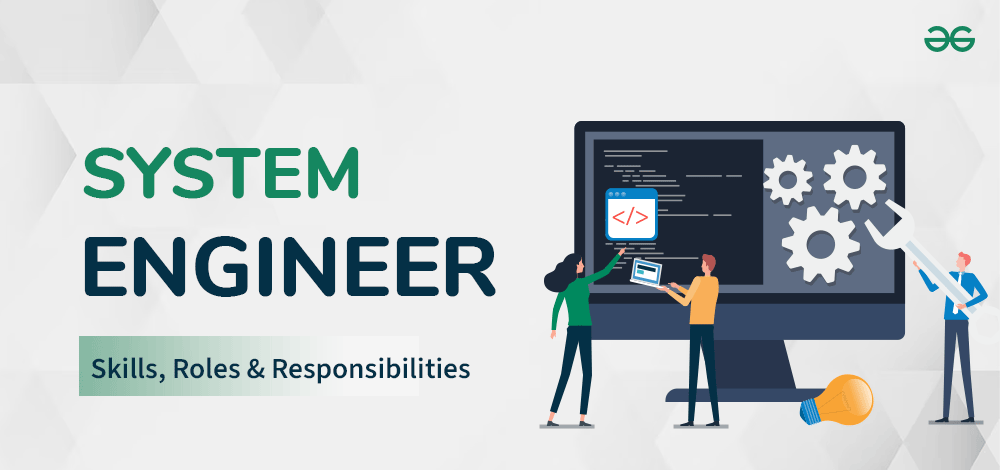
Understanding the dual nature of the term “system mechanic” is crucial. On one hand, it describes a professional—someone trained in diagnosing and fixing hardware and software issues. On the other, it refers to automated software tools designed to perform maintenance tasks without human intervention.
- Human System Mechanic: A technician who troubleshoots, upgrades, and repairs computers.
- Software System Mechanic: Programs like iolo System Mechanic that clean junk files, defragment disks, and optimize startup processes.
“A system mechanic, whether human or software, is the unsung hero of digital efficiency.”
Why System Maintenance Matters
Just like a car needs oil changes and tire rotations, your computer needs regular tune-ups. Over time, temporary files pile up, registry entries become corrupted, and background processes multiply like digital weeds. Without a reliable system mechanic strategy, performance degrades, crashes increase, and frustration builds.
- Slow boot times
- Application lag
- Unexpected crashes
- High CPU or RAM usage
These are all signs that your system needs a qualified mechanic—either human or automated.
How System Mechanic Software Works
Modern system mechanic software uses a combination of real-time monitoring, deep scanning, and automated repair tools to keep your PC in top shape. These programs don’t just clean up files—they actively prevent problems before they occur.
Core Functions of System Mechanic Tools
Top-tier system mechanic applications offer a suite of features designed to tackle every aspect of PC health. Here are the most common functionalities:
- Registry Cleaning: Removes invalid entries that can cause errors or slow performance.
- Disk Cleanup: Deletes temporary files, cache, and redundant data to free up space.
- Defragmentation: Reorganizes fragmented data on HDDs for faster access.
- Startup Optimization: Manages which programs launch at boot to reduce load time.
- Privacy Protection: Clears browsing history, cookies, and other traces of online activity.
For example, iolo System Mechanic uses patented technology like ActiveCare to continuously monitor and repair issues in real time.
Real-Time Optimization vs. Manual Fixes
One of the biggest advantages of modern system mechanic software is automation. Instead of waiting for problems to arise, these tools work 24/7 to maintain peak performance.
- Real-Time Monitoring: Detects and fixes issues as they happen.
- Scheduled Scans: Runs deep cleanups during idle times.
- Proactive Repair: Prevents crashes by stabilizing system processes.
This shift from reactive to proactive maintenance is what makes today’s system mechanic tools so powerful.
The Role of a Human System Mechanic
While software can handle many routine tasks, there’s no substitute for a skilled human system mechanic. When hardware fails or complex software conflicts arise, human expertise becomes essential.
Diagnosing Hardware Issues
A professional system mechanic can identify failing components such as hard drives, RAM, or power supplies using diagnostic tools and physical inspection.
- Using tools like MemTest86 to check RAM integrity.
- Monitoring SMART data from hard drives to predict failure.
- Testing power supply output with multimeters.
These diagnostics go beyond what consumer software can do, offering deeper insight into system health.
Software Troubleshooting and Recovery
When operating systems crash or become unbootable, a human system mechanic can perform advanced recovery operations.
- Rebuilding boot loaders (e.g., GRUB, Windows Boot Manager).
- Repairing corrupted system files using command-line tools.
- Restoring from backups or performing clean OS reinstalls.
They also understand how to navigate complex driver conflicts, malware infections, and permission issues that automated tools might miss.
Top 5 System Mechanic Tools Compared
Not all system mechanic software is created equal. Here’s a breakdown of the top five tools on the market, based on features, ease of use, and performance impact.
1. iolo System Mechanic
Often considered the gold standard, System Mechanic by iolo offers a comprehensive suite of optimization tools.
- ActiveCare for real-time maintenance.
- Advanced defrag with Space Reclaim.
- GameBoost for reducing latency during gaming.
- Secure Data Remover for permanent file deletion.
It’s particularly praised for its user-friendly interface and deep system integration. Learn more at iolo.com.
2. CCleaner by Piriform (Now Avast)
One of the most widely used tools, CCleaner excels at cleaning junk files and managing startup programs.
- Simple, intuitive interface.
- Registry cleaner with backup option.
- Built-in browser cleaning for privacy.
- Free version available with basic features.
However, recent controversies around data collection have made some users cautious. Still, it remains a solid choice for light maintenance.
3. Advanced SystemCare by IOBit
This tool combines system optimization with security features, making it a hybrid solution.
- One-click optimization mode.
- Real-time protection against malware.
- Internet booster for faster browsing.
- Game Boost mode similar to System Mechanic.
While powerful, some users report it can be overly aggressive in cleaning, potentially removing useful files.
4. Glary Utilities
A versatile toolkit that bundles over 20 utilities into one package.
- Disk cleaner, registry fixer, and file shredder.
- Startup manager and shortcut fixer.
- Tracks changes made to the system.
- Free version offers robust functionality.
It’s great for users who want granular control without paying for premium software.
5. PC Optimizer Pro (Caution Advised)
While marketed as a system mechanic tool, this software has been flagged by many experts as potentially misleading.
- Aggressive pop-ups and fake scan results.
- Often bundled with adware.
- Minimal actual optimization benefits.
“Not all system mechanic tools are trustworthy—always research before installing.”
Stick to reputable brands like iolo, CCleaner, or IOBit for reliable results.
Benefits of Using a System Mechanic Regularly
Regular use of a system mechanic—whether software or human—can dramatically extend your computer’s lifespan and improve daily usability.
Improved Speed and Responsiveness
One of the most noticeable benefits is faster performance. By clearing junk files, optimizing memory usage, and streamlining startup processes, a system mechanic ensures your PC feels snappier.
- Reduced boot time (from minutes to seconds).
- Faster application launches.
- Smoother multitasking with less lag.
Users often report a “like-new” experience after a deep system cleanup.
Enhanced Security and Privacy
Many system mechanic tools include privacy features that protect your digital footprint.
- Clearing browser history, cache, and cookies.
- Removing temporary files that may contain sensitive data.
- Securely erasing files so they can’t be recovered by hackers.
This is especially important for shared or public computers.
Extended Hardware Lifespan
By reducing system strain, a system mechanic helps prevent overheating, excessive disk usage, and memory leaks—all of which can shorten hardware life.
- Lower CPU and GPU temperatures due to efficient processes.
- Reduced wear on SSDs and HDDs from unnecessary writes.
- Better power management on laptops, extending battery life.
In essence, a well-maintained system runs cooler, quieter, and longer.
Common Myths About System Mechanic Tools
Despite their popularity, system mechanic tools are surrounded by myths and misconceptions. Let’s debunk some of the most common ones.
Myth 1: They Can Fix Any Problem
No system mechanic tool can fix everything. While they’re excellent for routine maintenance, they can’t repair physical hardware damage or resolve deep-rooted malware infections without additional tools.
- They won’t fix a failing hard drive—only replace it.
- They can’t recover data from a physically damaged disk.
- Some registry issues may require manual editing.
Think of them as preventive care, not emergency surgery.
Myth 2: Registry Cleaning Is Always Safe
While registry cleaners are a core feature of many system mechanic programs, they can sometimes remove entries that are still in use, causing applications to malfunction.
- Always create a backup before cleaning the registry.
- Use tools that allow selective restoration.
- Avoid aggressive cleaners that don’t provide previews.
Reputable tools like iolo System Mechanic include safeguards to prevent harmful deletions.
Myth 3: More Features = Better Performance
Some system mechanic suites pack in dozens of features, but many are redundant or rarely used.
- Focus on core optimization tools: cleanup, defrag, startup management.
- Extra features like file recovery or password managers may be better handled by specialized software.
- Bloated tools can themselves slow down your system.
Simplicity and reliability should trump feature count.
How to Choose the Right System Mechanic for You
With so many options available, selecting the right system mechanic can be overwhelming. Here’s a step-by-step guide to help you decide.
Assess Your Needs
Start by identifying what you need from a system mechanic.
- Basic Users: Need simple cleanup and privacy tools (e.g., CCleaner).
- Power Users: Want real-time optimization and advanced tuning (e.g., iolo System Mechanic).
- Gamers: Benefit from performance boosters and latency reduction.
- Business Users: May require centralized management and security features.
Matching the tool to your usage pattern ensures you get the most value.
Check Compatibility and System Requirements
Not all system mechanic tools support every operating system or hardware configuration.
- Verify compatibility with your OS (Windows 10, 11, etc.).
- Check RAM and storage requirements.
- Ensure it supports both HDDs and SSDs appropriately.
For example, defragmentation is unnecessary (and potentially harmful) on SSDs, so the tool should detect drive type automatically.
Read Reviews and Testimonials
Real-world user feedback is invaluable when choosing a system mechanic.
- Look for reviews on trusted sites like TrustedReviews or TechRadar.
- Check forums like Reddit’s r/techsupport for honest opinions.
- Avoid relying solely on testimonials from the vendor’s website.
Pay attention to reports of crashes, false positives, or unwanted bundled software.
Best Practices for Using a System Mechanic
Even the best system mechanic tool won’t help if used incorrectly. Follow these best practices to get the most out of your optimization software.
Schedule Regular Maintenance
Consistency is key. Set up automatic scans during off-hours to keep your system clean without interrupting your workflow.
- Run full system scans weekly.
- Enable real-time protection if available.
- Update the software regularly to get the latest fixes.
Think of it like brushing your teeth—daily care prevents bigger problems later.
Backup Before Major Changes
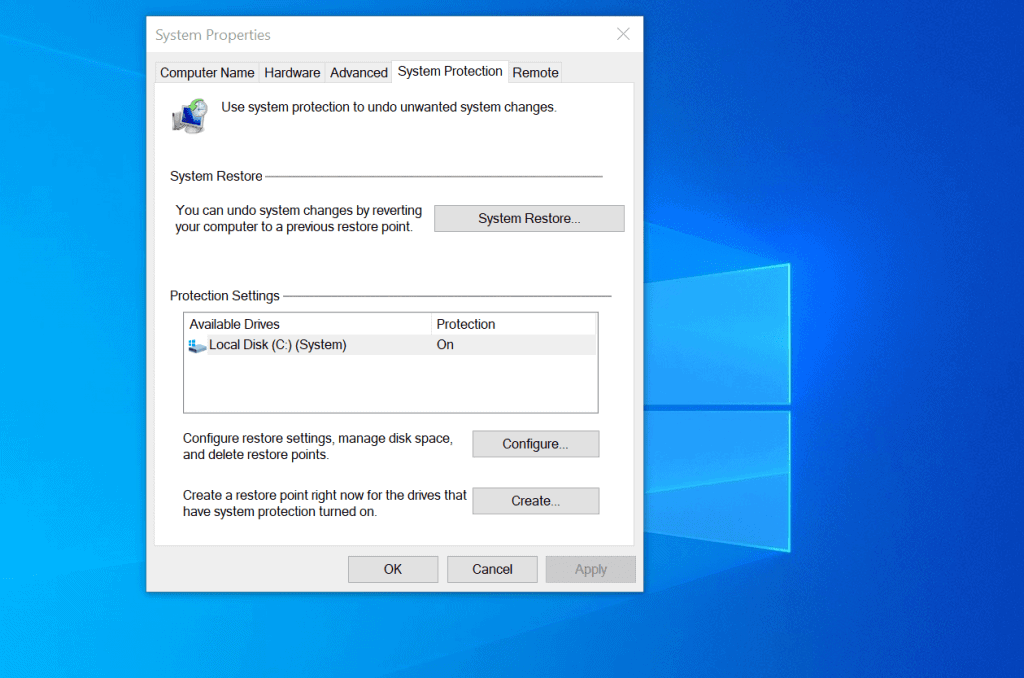
Any deep system change carries risk. Always create a restore point or backup before running aggressive optimizations.
- Use Windows System Restore or third-party imaging tools.
- Ensure your backup includes personal files and system state.
- Test the restore process to confirm it works.
This safety net gives you peace of mind when experimenting with new tools.
Avoid Over-Optimization
There’s such a thing as too much optimization. Disabling essential services or over-cleaning the registry can do more harm than good.
- Stick to recommended settings unless you know what you’re doing.
- Monitor system stability after each major change.
- If something breaks, revert to the last known good configuration.
Optimization should enhance, not cripple, your system.
Is System Mechanic safe to use?
Yes, when you use reputable software like iolo System Mechanic. It’s developed by a trusted company and includes safeguards to prevent harmful changes. Always download from the official website to avoid counterfeit versions.
Can a system mechanic fix a slow computer?
Absolutely. By cleaning junk files, optimizing startup programs, and repairing registry issues, a system mechanic can significantly improve speed and responsiveness, often restoring near-original performance.
Do I need a system mechanic if I have antivirus software?
Yes. Antivirus software protects against malware, but it doesn’t optimize performance. A system mechanic handles tasks like disk cleanup, defragmentation, and privacy protection—complementing your antivirus suite.
Can system mechanic tools damage my computer?
Poorly designed or misused tools can cause issues, such as removing critical registry entries. Always use trusted software, create backups, and avoid aggressive settings unless necessary.
How often should I run a system mechanic scan?
For best results, run a quick scan weekly and a full system optimization monthly. If your system is heavily used, consider enabling real-time monitoring for continuous protection.
Understanding the role of a system mechanic—whether human or software—is essential for maintaining a healthy, fast, and secure computer. From routine cleanup to advanced troubleshooting, these tools and professionals keep your digital life running smoothly. By choosing the right solution and following best practices, you can extend your PC’s lifespan, boost performance, and avoid costly repairs. Don’t wait for a crash—treat your computer to regular maintenance and enjoy a faster, more reliable experience every day.
Further Reading: